Living with chronic health challenges can affect nearly every aspect of daily life. From managing symptoms and medications to attending appointments and maintaining personal routines, individuals with ongoing medical conditions often require consistent support to remain healthy, safe, and independent. For family caregivers, balancing these responsibilities can also become increasingly complex over time.
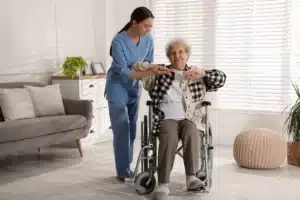
As the population ages and more people choose to remain in their homes, personalized in-home care has become an important solution for individuals managing a variety of medical conditions. Professional support can help seniors and adults with chronic illnesses maintain their quality of life while receiving the assistance they need in the comfort of familiar surroundings.
Whether someone is living with heart disease, diabetes, Parkinson’s disease, arthritis, dementia, or another chronic illness, having a comprehensive care plan can make a significant difference in both health outcomes and day-to-day well-being.
Understanding the Challenges of Chronic Medical Conditions
Unlike short-term illnesses that resolve with treatment, chronic medical conditions often require ongoing management. Symptoms may fluctuate, treatment plans may evolve, and individuals frequently need support with both healthcare needs and daily activities.
Common challenges associated with chronic conditions include:
- Medication management
- Mobility limitations
- Fatigue and reduced stamina
- Difficulty completing daily tasks
- Increased fall risk
- Frequent medical appointments
- Nutritional concerns
- Emotional stress and anxiety
- Social isolation
These challenges can gradually impact a person’s independence if they do not have the appropriate support system in place.
Common Medical Conditions That May Require Additional Support
Many individuals benefit from in-home care services while managing medical conditions such as:
- Alzheimer’s disease and other forms of dementia
- Parkinson’s disease
- Stroke recovery
- Heart disease
- Diabetes
- Chronic obstructive pulmonary disease (COPD)
- Arthritis
- Multiple sclerosis
- Cancer
- Neurological disorders
Because every condition affects individuals differently, care plans should be customized to meet specific needs, preferences, and goals.
The Benefits of Personalized Care at Home
One of the greatest advantages of receiving care at home is the ability to create a personalized support plan that focuses on the individual’s unique circumstances. Rather than adapting to a facility’s schedule, care can be tailored to fit existing routines, medical requirements, and personal preferences.
Personalized care for individuals with medical conditions often includes assistance with:
- Activities of daily living
- Medication reminders
- Mobility support
- Meal preparation
- Transportation to appointments
- Monitoring changes in condition
- Companionship and emotional support
This individualized approach helps ensure that care evolves as needs change over time.
Supporting Independence While Managing Health Needs
Many people living with chronic illnesses want to maintain as much independence as possible. However, managing symptoms can sometimes make routine activities more difficult.
Professional caregivers can provide the right level of assistance without taking away a person’s sense of autonomy. Instead of doing everything for the individual, caregivers often focus on encouraging participation and supporting safe independence whenever possible.
For example, someone with arthritis may need assistance preparing meals but can still participate in meal planning. An individual recovering from a stroke may benefit from mobility support while continuing to perform certain daily tasks independently.
This balanced approach helps preserve confidence, dignity, and self-esteem.
Creating a Safer Home Environment
Safety becomes increasingly important when managing chronic medical conditions. Mobility limitations, balance challenges, medication side effects, and cognitive changes can all increase the risk of accidents and injuries.
A home safety assessment can identify potential concerns and help reduce risks. Some common recommendations include:
- Removing tripping hazards
- Improving lighting throughout the home
- Installing grab bars in bathrooms
- Rearranging furniture to improve mobility
- Using assistive devices when appropriate
- Developing emergency response plans
These simple adjustments can significantly improve safety and provide greater peace of mind for both individuals and their families.
The Importance of Medication Management
Many chronic illnesses require multiple medications, each with specific schedules and instructions. Managing medications correctly is essential for controlling symptoms and preventing complications.
Unfortunately, medication errors are common, especially among older adults taking several prescriptions. Missed doses, incorrect timing, or accidental duplication can lead to serious health concerns.
Support with medication management may include:
- Medication reminders
- Organizing medication schedules
- Monitoring for side effects
- Tracking prescription refills
- Coordinating communication with healthcare providers
Consistent medication support helps individuals remain compliant with treatment plans while reducing avoidable complications.
Nutrition and Wellness for Chronic Conditions
Diet and nutrition often play a major role in managing medical conditions. Certain illnesses may require specialized dietary considerations to help control symptoms and support overall health.
For example:
- Heart disease may benefit from heart-healthy meal planning.
- Diabetes often requires blood sugar-conscious nutrition.
- Kidney disease may involve dietary restrictions.
- Cancer treatment can create unique nutritional needs.
Caregivers can assist with grocery shopping, meal preparation, hydration reminders, and encouraging healthy eating habits that align with healthcare recommendations.
Good nutrition helps support energy levels, immune function, and overall well-being.
Monitoring Changes and Identifying Concerns Early
One of the valuable benefits of ongoing in-home support is the ability to recognize subtle changes in a person’s condition before they become serious problems.
Caregivers who interact regularly with clients may notice:
- Changes in mobility
- Increased confusion
- Reduced appetite
- Mood changes
- New symptoms
- Signs of medication issues
Early recognition allows families and healthcare providers to address concerns quickly, potentially preventing hospitalizations or more serious complications.
This proactive approach often leads to better long-term outcomes and improved quality of life.
Emotional Well-Being Matters Too
Managing chronic medical conditions can take an emotional toll. Many individuals experience frustration, anxiety, depression, or loneliness as they cope with changing abilities and health concerns.
Emotional support is an important part of comprehensive care. Meaningful conversation, social engagement, and companionship can help reduce feelings of isolation and improve overall mental well-being.
Caregivers often become trusted companions who provide encouragement, reassurance, and opportunities for social interaction. This human connection can be just as valuable as physical assistance.
Supporting Family Caregivers
Family members often play a central role in caring for loved ones with chronic illnesses. While caregiving can be rewarding, it can also be physically and emotionally demanding.
Professional support helps relieve some of this burden by assisting with daily tasks, coordinating care, and providing respite for family caregivers. This allows family members to focus on spending quality time with their loved ones rather than managing every aspect of care on their own.
Having additional support can help reduce caregiver stress and promote healthier family relationships.
Improving Quality of Life Through Comprehensive Care
Successfully managing medical conditions involves more than simply treating symptoms. It requires a holistic approach that addresses physical health, emotional well-being, safety, independence, and daily quality of life.
With personalized in-home support, individuals living with chronic illnesses can continue participating in meaningful activities, maintain their routines, and remain in the comfort of their own homes for as long as possible.
By focusing on proactive care, individualized support, and ongoing monitoring, families can help loved ones navigate health challenges with greater confidence and peace of mind. For many individuals, the right support system makes it possible to manage medical conditions effectively while preserving independence, dignity, and overall well-being.
If you or an aging loved one needs support for medical conditions in Plainview, NY please contact the caring staff at Star Multi Care today. Call (631) 424-7827
Star Multi Care is a Trusted Home Care Agency serving Long Island and in NYC including Dix Hills, Floral Park, Great Neck, Huntington, Manhasset, Massapequa, Northport, Plainview, Rockville Center, Stonybrook, Suffolk County, Nassau County, and Queens County.

- How In-Home Caregivers Support Veterans with Respect - November 19, 2026
- Six Everyday Habits That Help Protect Senior Hearing - November 10, 2026
- Planning Dementia-Friendly Holidays This November - November 4, 2026